Kindness Welfare Team
Community Support Division · 10 March 2026
Learn the difference between food banks and food charities, how they help individuals facing food insecurity, and where to find free food programs near you in India.
Introduction
Food insecurity is a challenge faced by many individuals and families around the world. Even in growing cities and communities, access to consistent meals is not always guaranteed for everyone.
Food banks and food charities play an essential role in helping people who may be experiencing temporary financial hardship, unemployment, medical expenses, or other life challenges. These organizations work to ensure that individuals have access to food during difficult periods.
Across India, community groups, non-profit organizations, and volunteers run food assistance programs to help people in need. These initiatives may include food banks, meal distribution programs, and food charity campaigns that provide free meals to vulnerable communities.
Organizations such as Kindness Welfare Association contribute to these efforts through food distribution initiatives and community support programs.
You can learn more about their work here: Kindness Welfare Association
What Is A Food Bank
A food bank is a system that collects food donations and distributes them to people who need assistance. Food banks may receive donations from individuals, businesses, farms, or restaurants.
These food supplies are then distributed through community programs or charitable organizations that provide food to individuals and families.
Food banks typically operate by:
- Collecting donated food from various sources
- Sorting and storing food safely
- Distributing food through partner charities
- Supporting community meal programs
The goal of food banks is to ensure that surplus food is redirected to people who need it rather than going to waste.
What Is A Food Charity
Food charities are organizations that focus on providing meals or food assistance to individuals facing hunger or financial difficulties.
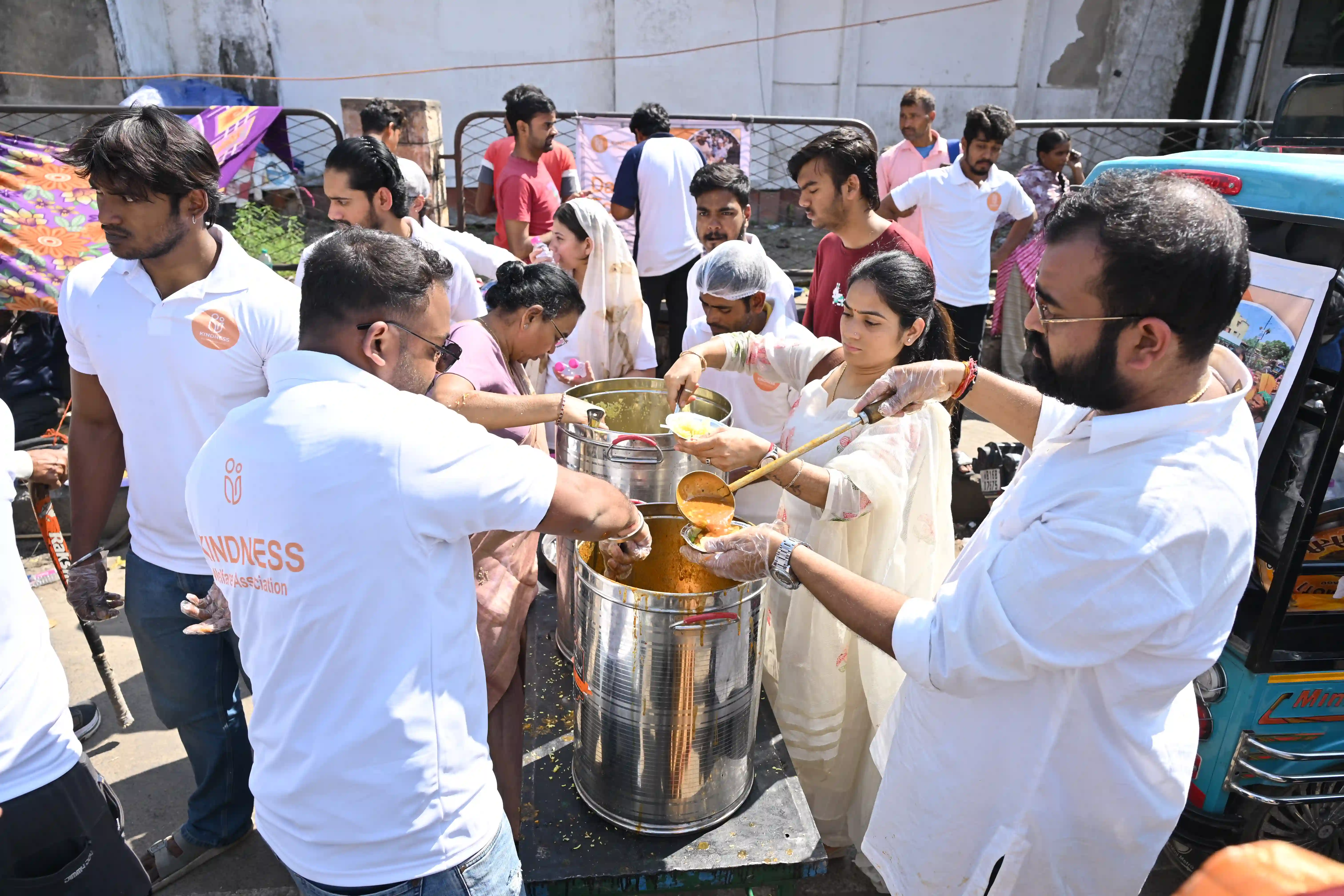
Unlike traditional food banks that primarily store and distribute food items, many food charities prepare and distribute ready-to-eat meals.
Food charities may organize:
- Community kitchens
- Meal distribution drives
- Food donation campaigns
- Emergency food assistance programs
These programs help individuals who may not have the resources or facilities to cook meals themselves.
Who Can Access Food Assistance
Food assistance programs are designed to support individuals experiencing temporary or ongoing challenges.
People who may benefit from food charity programs include:
- Individuals facing financial hardship
- Families experiencing temporary unemployment
- Daily wage workers with irregular income
- People accompanying patients in hospitals
- Individuals without stable housing
Food assistance programs aim to ensure that people can access basic nutrition during difficult times.
Food Assistance Programs In India
In many parts of India, traditional food banks are less common compared to community meal distribution programs.
Instead, NGOs and volunteer groups organize initiatives where freshly prepared meals are distributed to people who need support.
These initiatives often focus on areas where food insecurity may be visible, including:
- Hospital surroundings
- Public gathering areas
- Low-income communities
- Urban neighborhoods with vulnerable populations
Organizations such as Kindness Welfare Association participate in community food support efforts through structured meal distribution initiatives.
More details about their work can be found here: Kindness Welfare Association
How Food Distribution Programs Work
Food charities and NGOs typically operate through a coordinated system involving donations, volunteers, and community participation.
A typical food distribution program may include the following steps:
1. Collecting donations from individuals and supporters
2. Purchasing or preparing food ingredients
3. Cooking meals through community kitchens
4. Packaging meals safely
5. Distributing meals to individuals who require assistance
These programs require consistent support from donors and volunteers to continue operating effectively.
Supporting Daily Meal Distribution Programs
Many food charities focus on providing meals every day rather than organizing occasional events. Daily meal programs help ensure that individuals receive consistent support.
Programs like Daily Food Seva help provide meals to people who may not have access to reliable food sources.
You can learn more about this initiative here: Daily Food Seva Campaign
Supporting such programs helps ensure that food distribution efforts remain sustainable.
Volunteering With Food Charities
Food charities and community kitchens depend heavily on volunteers who help organize and distribute meals.
Volunteers may assist with tasks such as:
- Preparing food
- Packing meals
- Distributing meals to communities
- Organizing donation campaigns
Volunteering allows individuals to contribute directly to community welfare and support people facing food insecurity.
If you are interested in volunteering, you can explore opportunities here: Volunteer With Us
How Communities Can Support Food Banks And Charities
Food assistance programs succeed when communities work together to support them.
There are several ways individuals and businesses can help.
Individuals Can Support By
- Donating funds to food distribution programs
- Volunteering during meal drives
- Sharing awareness about food assistance initiatives
- Encouraging others to contribute
Businesses Can Support By
- Sponsoring meal programs
- Partnering with NGOs for community initiatives
- Donating surplus food when appropriate
When communities actively support these initiatives, food charities can expand their reach and help more people.
Finding Food Assistance Near You
If someone is searching for food charity near me or free food bank near me, local NGOs and community organizations are often the best place to start.
Many organizations provide food assistance programs that help individuals during times of need.
You can contact organizations directly to learn about available food support programs.
For inquiries or support requests, you can contact Kindness Welfare Association here: Contact Us
The Importance Of Compassion And Community Support
Food banks and food charities represent an important part of community support systems. These initiatives ensure that individuals have access to food during challenging times.
By supporting food distribution programs through donations, volunteering, or spreading awareness, communities can help reduce hunger and create stronger support networks.
Organizations like Kindness Welfare Association demonstrate how collective efforts can help ensure that food reaches people who need it most.
Conclusion
Food banks and food charities play a vital role in helping individuals and families access meals during times of difficulty.
Through food donations, volunteer support, and community participation, these initiatives provide essential assistance to people experiencing food insecurity.
Supporting organizations that run food distribution programs helps ensure that these services remain available for those who need them.
To learn more about community food initiatives, visit: Kindness Welfare Association
You can also support ongoing meal distribution programs through the Daily Food Seva campaign: Daily Food Seva Campaign